
You Have Done Everything Right for Your Child. Now Let's Make Sure the Plan Protects Them When You Can't.
Every family with a neurodivergent child carries a question they rarely say out loud: what happens to my child when I am no longer here? Pinnacle Financial Group builds the legal, financial, and insurance architecture that answers that question — completely.
The One Decision That Determines Everything.
Most parents do something that feels loving and obvious: they name their child as the beneficiary on their life insurance policy. For a child with autism or any developmental disability who receives SSI or Medicaid, this is the single most costly mistake in special needs planning. Here is exactly what happens.
$500,000 lands directly in your child's bank account
SSI asset limit ($2,000) exceeded within days. SSI income stops. Medicaid terminates immediately.
Child must spend down to $2,000 to regain benefits. Decades of care infrastructure: gone.
Your legacy destroys the benefits your child depends on. This is the default outcome when no SNT exists. It happens to thousands of families every year.
$500,000 flows directly into the Special Needs Trust — not into your child's name
SSI and Medicaid remain 100% intact. Government benefits are completely untouched.
Trustee distributes for therapies, housing, recreation, and care — for a lifetime.
Your legacy works exactly as you intended. The trust supplements government benefits for your child's entire lifetime.
The $2,000 SSI asset limit has not changed since 1989. It applies the moment any countable asset enters your child's name. A Special Needs Trust is the only legal mechanism that allows you to leave unlimited assets for your child's benefit while preserving every government benefit they depend on.
Every Family Hits These Milestones. Most Are Unprepared for What Happens at Each One.
Government support does not disappear all at once. It withdraws in predictable stages. Families who know these milestones plan ahead of them. Families who don't discover them at the worst possible time.
Free therapy window. Best time to start planning — life insurance is cheapest now.
Start the Special Needs Trust. Lock in life insurance rates while you are young and healthy.
SSI now based on child's assets only. $2,000 limit applies. Any direct inheritance = benefit loss.
Ensure ALL beneficiary designations flow to the SNT trustee — never directly to the child.
School services end. Adult services are NOT entitlements. Florida iBudget Waiver waitlist: 21,000+.
Apply for iBudget Waiver now. Have the SNT funded before this transition occurs.
Child loses coverage on parent's health plan. Transition must be planned 12–18 months in advance.
2026: ABLE age eligibility now up to 46. Check if your child now qualifies for an ABLE account.
Benefits lost. Care network collapses. Assets spent down in years. Everything you built for your child is gone.
Trust executes automatically. Benefits preserved. Trustee distributes for lifetime care. Your child is protected.
Which Trust Is Right for Your Family? A Direct Answer.
There are three types of Special Needs Trusts. For most parents planning ahead, the answer is straightforward.
| Feature | 3rd-Party SNT Parents' Assets | 1st-Party SNT Child's Assets | Pooled Trust Nonprofit Managed |
|---|---|---|---|
| Who Creates It | Parents, grandparents, family | Disabled individual (own assets) | Nonprofit organization |
| Funded With | Life insurance, parent savings, gifts | Settlement, inheritance, lawsuit | Modest amounts pooled with others |
| Medicaid Payback at Death | ✅ NO — assets pass to heirs | ⚠ YES — state reimbursed | ⚠ YES (usually) |
| Contribution Limit | NONE — unlimited | Must establish before age 65 | Lower minimums available |
| Pinnacle's Recommendation | ★ Primary strategy for parents planning ahead | When settlement assets must be protected | When individual SNT cost is prohibitive |
The Bottom Line: For parents planning ahead — which means every parent reading this page — the Third-Party Special Needs Trust is the correct structure. No Medicaid payback. No contribution limit. Assets pass to your other children or heirs.
Pinnacle coordinates with a qualified special needs attorney to draft and structure the trust. We provide the financial architecture. The attorney provides the legal documentation. Both are required. Neither alone is sufficient.
What the SNT Can and Cannot Pay For
Housing Caution: Trust-paid rent, mortgage, or utilities still reduce SSI by up to $351/month in 2026. Not eliminated — reduced. Consult your advisor before paying any housing costs from the trust.
The Trust Is a Container. Life Insurance Is What Fills It.
A Special Needs Trust with no assets in it protects nothing. For most neurodiversity families, life insurance is the primary — and most powerful — funding mechanism.
Survivorship (Second-to-Die)
- Covers both parents under one policy
- 30–50% cheaper than two individual policies
- More flexible underwriting if one parent has health issues
- Whole life or guaranteed universal life — NOT term
- Coverage target: $500K–$1.5M
Individual Whole Life
- Builds guaranteed cash value families can borrow against during life
- Premiums locked permanently at current age and health
- Two-parent families can add individual policies on top of survivorship
- Multiple potential funding events vs. one survivorship trigger
Indexed Universal Life (IUL)
- Permanent death benefit to fund the SNT
- Cash value grows linked to market index (e.g., S&P 500)
- Floor protection: cash value cannot go below 0%
- Tax-free loans from cash value during life for care gaps
The Rule That Cannot Be Overlooked: The beneficiary on every life insurance policy must read: "Trustee of the [Name] Special Needs Trust" — not your child's name. Not "the trust" without trustee designation. Pinnacle reviews every existing beneficiary designation as part of our family planning process. One policy with the wrong designation can unwind the entire plan. Coverage target: $500,000 minimum. $1.0M–$1.5M for children with significant lifetime care needs.
The Risk Nobody Plans For: What Happens If You Become Disabled Before You Die.
Most neurodiversity families think about death. Almost none plan for disability — the most underaddressed financial risk in special needs planning.
Two Tools, One Complete System. They Work Together — Not Instead of Each Other.
Together
↔
The Pinnacle Family Protection Framework: Five Layers, One Complete Plan.
No single product solves this problem. The trust needs funding. The funding needs correct beneficiary designations. The designations need an estate plan. The estate plan needs protection from disability. All five must work together.
⚠ Without this layer: Every asset you leave your child destroys their SSI and Medicaid instead of protecting them.
⚠ Without this layer: One outdated beneficiary designation on a policy you purchased 10 years ago can unwind the entire plan in one moment.
⚠ Without this layer: The trust is a legal container with nothing in it. It protects nothing without funding.
⚠ Without this layer: If you become disabled and can't work, most families lapse their life insurance. The trust never gets funded.
⚠ Without this layer: Your child's financial plan exists but no one knows how to execute it for them as a human being.
How Pinnacle Works With Neurodiversity Families. Six Steps. One Complete Plan.
We do not begin with products. We begin with your family's story.
Discovery Call
We ask about your child's diagnosis, family structure, current benefits, and what planning is already in place. No forms. A direct conversation.
Family Snapshot
Pinnacle produces a one-page summary: what you have, what's missing, and the estimated funding gap between current coverage and lifetime care cost.
Attorney Coordination
Warm introduction to a qualified special needs attorney. We coordinate beneficiary designation alignment with the trust structure from the start.
Insurance Design
We design the optimal survivorship or individual policy and disability coverage across multiple carriers. Named to SNT trustee from day one.
ABLE + Letter of Intent
ABLE account setup. Letter of Intent template provided. The five-layer protection framework is fully in place.
Ongoing Reviews
Laws change. Coverage needs grow. We review the plan when benefit rules, income, or care needs shift — not just once a year on a calendar schedule.
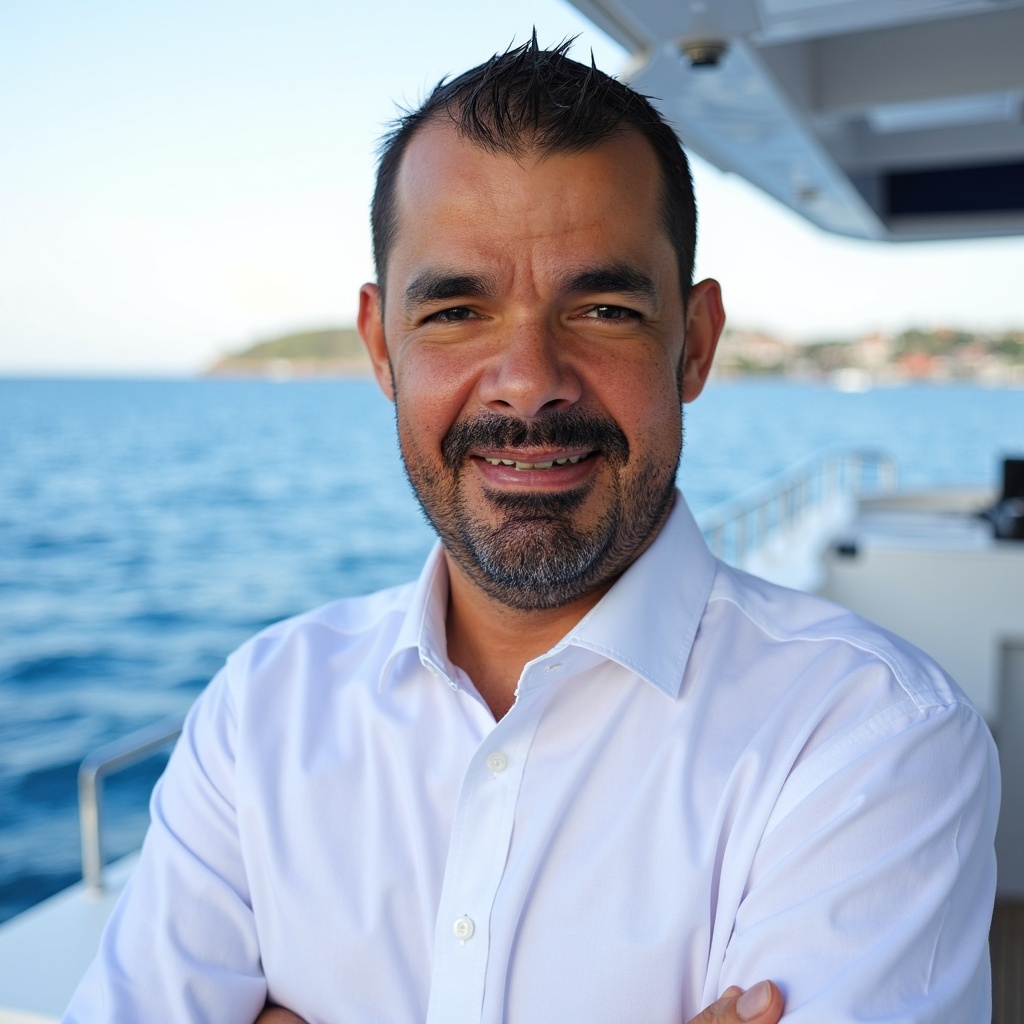
Julio (Ricky) Gonzalez, RMIP™, CMIP®
Ricky Gonzalez is the Founder and CEO of Pinnacle Financial Group, Inc., headquartered in Weston, Florida. With more than 27 years of experience in financial advisory services, he helps families with neurodivergent children build the legal and financial infrastructure that protects their child's future — including Special Needs Trust funding, survivorship life insurance, parental disability planning, and ABLE account coordination.
His work with neurodiversity families is grounded in a straightforward conviction: these families carry more than most people will ever understand. The financial plan must be built around the specific, real, and lifelong needs of the child — not around a product transaction. That means coordinating with attorneys, understanding SSI rules, knowing which beneficiary designations destroy benefits and which ones protect them, and building a plan that holds together across all five layers.
What Families Say About Working With Pinnacle Financial Group.
Approaching retirement with significant assets can actually create a different set of challenges. We were concerned about taxes, market volatility, and making sure our income would remain consistent regardless of market conditions. Pinnacle helped us design a strategy that integrates guaranteed income sources alongside tax-efficient planning techniques.
As someone who spent decades building a successful business, my primary concern in retirement was not just preserving wealth, but creating a predictable income strategy that could last throughout our lifetime. The team at Pinnacle helped us restructure our portfolio into a coordinated retirement income plan that balances guaranteed income sources with market-based investments.
Frequently Asked Questions.
You Have Spent Years Protecting Your Child. Let's Make Sure That Protection Lasts a Lifetime.
Pinnacle Financial Group offers a complimentary Family Protection Discovery Call for every family with a neurodivergent child. We will review what you have in place, identify the gaps, calculate your funding shortfall, and show you exactly what a complete five-layer protection plan looks like for your family. No obligation. No pressure. A direct conversation.
Pinnacle Financial Group, Inc. is an independent insurance and financial planning firm headquartered in Weston, Florida. Insurance products and services are offered through licensed insurance providers. Special Needs Trust information provided on this page is for educational purposes only and does not constitute legal advice. Families should work with a qualified special needs attorney for trust drafting and legal documentation. SSI and Medicaid rules are subject to change. ABLE account eligibility and contribution limits are governed by federal law and may vary by state. This page is for informational purposes only. Pinnacle Financial Group, Inc. does not provide legal or tax advice.
